
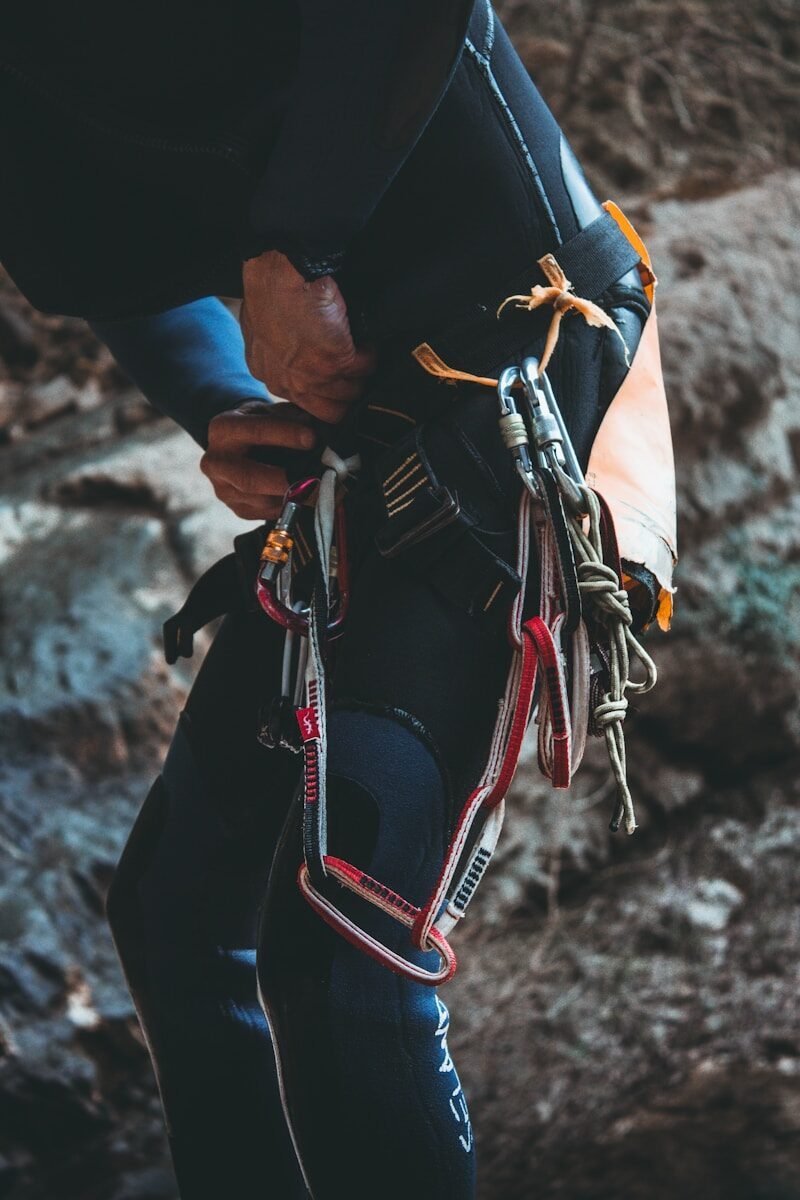
Canyoning is not the kind of adventure where you can afford to overlook safety. It’s a sport that throws you into the raw heart of nature—sliding down waterfalls, rappelling through narrow rock corridors, scrambling over slick boulders, and plunging into cold pools hidden deep in mountain gorges. It’s thrilling, unpredictable, and often breathtakingly beautiful. But it’s also full of hazards, and one of the most serious risks is head injury.
That’s why a canyoning helmet is not just another accessory. It is one of the most essential pieces of protective gear you can wear. The right helmet can shield you from falling rocks, unexpected slips, and harsh impacts with canyon walls. At the same time, canyoning demands long hours of movement, water exposure, and changing temperatures, meaning comfort matters almost as much as protection.
Finding the best canyoning helmet is about balancing these two priorities: impact safety and wearing comfort.
Why Helmets Matter More in Canyoning Than You Might Think
Many outdoor sports require helmets, but canyoning presents a unique combination of dangers. Unlike traditional rock climbing, where most impacts come from above or from a fall, canyoning involves movement in every direction. You may bang your head while squeezing through a narrow slot canyon, get hit by debris dislodged from cliffs, or lose balance on wet stone.
Canyons are also dynamic environments. Water constantly reshapes the terrain, loosening rocks and making surfaces slippery. Even experienced canyoners can be caught off guard by sudden shifts in footing or unexpected obstacles.
A reliable helmet is your first line of defense, allowing you to focus on the experience instead of worrying about every overhead ledge.
The Two Core Qualities: Impact Protection and Comfort
When choosing the best canyoning helmet, most people naturally focus on safety first. But comfort is what ensures you actually wear the helmet correctly for hours at a time. A helmet that feels heavy, unstable, or irritating can become a distraction, and distractions in canyoning can lead to mistakes.
The best helmets combine both:
- Strong, certified impact resistance
- A secure, adjustable fit
- Lightweight construction
- Ventilation and drainage for wet conditions
- Durability against rough rock and repeated use
Let’s break these down further.
Impact Protection: The Non-Negotiable Factor
Canyoning helmets must be built to handle repeated contact with hard surfaces. Rocks, canyon walls, and even gear can strike your head during movement.
Most quality helmets meet mountaineering safety certifications such as EN 12492, which ensures they can withstand impact and provide chin-strap security. Some models also meet additional industrial or water-sport standards, offering even more robust protection.
The materials matter too:
- ABS plastic shells are tough and highly resistant to abrasion.
- Polycarbonate shells are lighter and sleek but may wear faster.
- EPS or EPP foam liners absorb shock and reduce force to the skull.
In canyoning, where you might take multiple minor hits rather than one major fall, durability is key.
Comfort: The Difference Between Wearing and Enduring
Comfort is not about luxury—it’s about performance. Canyoning routes can last several hours or even an entire day. During that time, your helmet should feel stable and natural, not like a burden.
Key comfort features include:
- Adjustable suspension systems that fit different head shapes
- Soft interior padding that prevents pressure points
- Chin straps that stay secure without rubbing
- Balanced weight distribution so the helmet doesn’t tilt forward
A helmet that shifts every time you move or squeezes too tightly will quickly become exhausting.
The best canyoning helmets feel snug but not restrictive, staying in place whether you’re rappelling, swimming, or climbing.
Water Drainage and Quick Drying: A Canyoning Essential
Unlike climbing helmets used mostly in dry environments, canyoning helmets must perform in water. Water exposure is constant: waterfalls, spray, pools, rain, and wet ropes.
A good canyoning helmet should:
- Drain water quickly through vents or channels
- Avoid soaking up moisture in padding
- Stay lightweight even when wet
Helmets designed with canyoning or multi-sport use in mind often include removable, washable liners that dry fast and resist odor.
Ventilation: Staying Cool Without Sacrificing Safety
Ventilation is another balancing act. Too much airflow can weaken a helmet’s structure, while too little can cause overheating during long approaches or warm-weather canyon trips.
The best canyoning helmets offer moderate venting that keeps air moving while still maintaining strong impact resistance. Vent placement should also prevent water from pooling inside the helmet.
Durability: Built for Rough Environments
Canyoning is hard on gear. Helmets scrape against stone, get stuffed into packs, and endure constant moisture.
Durability matters more than appearance. A canyoning helmet should handle:
- Abrasion from rock surfaces
- Repeated wet-dry cycles
- Long-term exposure to sun and water
A rugged helmet may weigh slightly more, but it often lasts longer and provides consistent protection over time.
Popular Helmet Styles for Canyoning
While many helmets can be used in canyoning, most fall into two main categories:
Hard Shell Helmets
These helmets have a thick outer shell, usually ABS plastic, with foam inside. They are extremely durable and ideal for rocky, abrasive environments.
Best for: Beginners, group canyoning, rough terrain.
Foam or Hybrid Helmets
These helmets are lighter and often more comfortable, using advanced foam construction with a thinner shell.
Best for: Long days, sporty canyon routes, experienced users.
Both styles can work well—it depends on your priorities.
What to Look for in the Best Canyoning Helmets
If you want a helmet that truly excels in both comfort and protection, focus on these qualities:
- Certified safety standards
- Full coverage around the sides and back of the head
- Secure adjustment system that works even when wet
- Drainage-friendly ventilation design
- Lightweight feel without sacrificing strength
- Compatibility with headlamps or accessories if needed
Trying a helmet on before buying is always recommended. Head shape varies, and the “best” helmet is the one that fits you perfectly.
Why the Right Helmet Makes the Experience Better
A great canyoning helmet does more than protect you. It gives you confidence.
When you trust your gear, you move more naturally. You can focus on the thrill of the rappel, the beauty of the canyon walls, and the teamwork of navigating wild landscapes. Instead of worrying about every bump or falling stone, you’re free to enjoy the adventure.
Comfort also plays a mental role. A helmet that feels good encourages consistent use, which is the most important safety habit of all.
Final Thoughts: Safety You Can Wear All Day
Canyoning is one of the most exciting ways to explore nature, but it demands respect. The environment is unpredictable, and head protection is not optional.
The best canyoning helmets combine serious impact resistance with the kind of comfort that allows you to wear them for hours without distraction. Whether you choose a tough hard-shell design for rugged durability or a lightweight hybrid helmet for long, technical routes, the goal is the same: staying safe while fully enjoying the journey.
In the end, the best helmet is the one that fits well, protects reliably, and feels like a natural part of your adventure—so you can focus on the canyon, not the risks above your head.
-
Where Safety Meets Wearability
Summary
Focuses on impact resistance, fit, and drainage performance with a clear and well-structured evaluation. By combining safety standards with real-world comfort and durability considerations, it offers practical guidance for selecting reliable canyoning helmets.
