
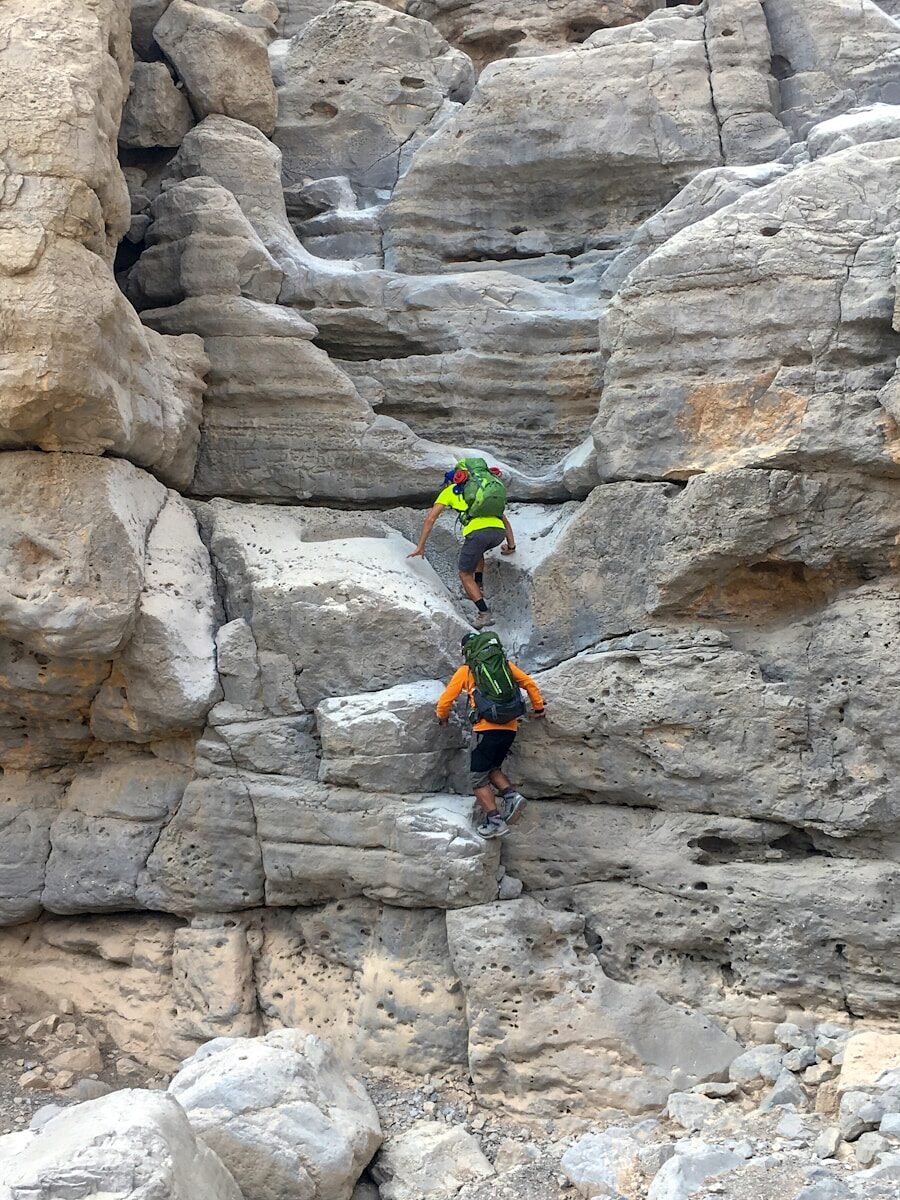
There’s a particular kind of silence that settles in a canyon carved by glacial runoff. The air is sharp, the rock walls rise like cathedral pillars, and the water—clear, restless, and unforgiving—waits below. Canyoning in cold conditions is not a casual summer splash. It’s a full-body negotiation with nature. You scramble over slick stone, rappel beside waterfalls, and plunge into pools fed by snowmelt. In that environment, your wetsuit is not an accessory. It is your lifeline.
Anyone who has stepped into alpine water without proper insulation knows how quickly enthusiasm can turn into shivering regret. Cold water drains energy fast. Dexterity fades. Judgment can blur. The right wetsuit does more than keep you comfortable—it preserves strength, focus, and safety throughout the descent.
But canyoning isn’t surfing, and it isn’t scuba diving either. The demands are different. The best wetsuits for cold-water canyoning are built to handle abrasion, impact, long immersion times, and constant transitions between climbing and swimming. Below is a closer look at what sets great canyoning wetsuits apart—and which models consistently earn their place in rugged terrain.
What Makes Cold-Water Canyoning Different?
Cold-water canyoning combines movement and immersion in ways that challenge both gear and body. You might hike in dry for an hour, then drop into waist-deep water. You might float briefly, then drag yourself up rough limestone. You could spend minutes rappelling through a waterfall, soaking through every seam.
In these conditions, three factors matter most:
Thermal retention. Mountain-fed water can hover just above freezing. Staying warm isn’t about comfort—it’s about preventing hypothermia and fatigue.
Durability. Rock slides, tight squeezes, and gravel scrambles will punish thin neoprene.
Mobility. You need to lift your legs high, reach overhead, and twist your torso without feeling like you’re wrapped in rubber armor.
A canyoning wetsuit must strike a balance between protection and flexibility. Too thin, and you freeze. Too thick and rigid, and climbing becomes exhausting.
Thickness and Construction: The Foundation of Warmth
For cold-water canyoning, wetsuits generally fall between 5mm and 7mm of neoprene. In milder cold conditions, a 4/3mm suit may suffice for short outings, but most serious canyoners opt for thicker insulation.
Many experienced adventurers favor two-piece systems: a sleeveless farmer-john base combined with a neoprene jacket. This setup doubles insulation over the core, reduces flushing (that unpleasant rush of cold water inside the suit), and allows flexibility when adjusting layers.
Sealed seams, reinforced stitching, and smooth-skin chest panels add further protection against wind chill during exposed sections.
Top Wetsuits for Cold-Water Canyoning
1. Seland Iguazu and Similar Models – Designed for the Canyon
Seland has earned a reputation among European canyoning communities for building suits specifically tailored to the sport. The Iguazu model and similar designs feature thick neoprene—often 5mm or more—paired with reinforced panels at the knees, seat, and elbows.
What sets Seland apart is its understanding of abrasion. The outer fabric feels tougher than standard surf wetsuits, ready for repeated contact with rock. Many of their suits include integrated hoods or optional add-ons for colder descents.
Best suited for: Regular canyoners tackling technical routes in cold alpine water.
2. Sandiline Canyoning Suits – Mobility Meets Protection
Sandiline strikes an appealing balance between warmth and athletic movement. Their canyoning wetsuits are ergonomically cut, allowing natural climbing motion without bunching or restriction.
Reinforced high-wear areas extend durability, while flexible neoprene panels maintain comfort during long rappels. For canyoners who value fluid movement but still need serious insulation, Sandiline models are a dependable choice.
Best suited for: Adventurers seeking flexibility without sacrificing warmth.
3. Petzl Canyoning Neoprene Systems – Technical Integration
Known globally for climbing hardware, Petzl also produces canyoning wetsuits designed with technical efficiency in mind. These suits integrate seamlessly with harnesses and rope systems.
The neoprene thickness is optimized for cold water, and the design reduces pressure points when wearing gear. For guides or experienced canyoners who spend extended time on rope, this thoughtful engineering can make a noticeable difference.
Best suited for: Rope-intensive canyon routes and guided expeditions.
4. Typhoon Multisport Wetsuits – Heavy-Duty Performance
Typhoon has long specialized in protective water gear, and some of their thicker multisport wetsuits adapt well to cold canyoning. Built with rugged materials and reinforced stress zones, they handle harsh treatment.
Though slightly heavier than streamlined canyon-specific brands, Typhoon suits provide substantial warmth and resilience. They’re a practical option for those who prioritize durability over minimalism.
Best suited for: Frequent canyoning in rocky environments where gear takes a beating.
5. Cressi Diver 5mm or 7mm – Entry-Level Alternative
Not every beginner wants to invest immediately in a canyon-specific wetsuit. High-quality diving wetsuits from brands like Cressi can serve as a starting point.
Models in the 5mm or 7mm range offer excellent insulation, though they lack the reinforced panels common in canyon gear. Adding protective shorts or knee pads can extend their lifespan.
Best suited for: Beginners exploring cold-water canyoning before upgrading.
6. Two-Piece Alpine Systems – Maximum Core Warmth
In snowmelt-fed canyons where immersion is constant, layered neoprene systems shine. A thick farmer-john paired with a hooded jacket traps heat around the torso—where it matters most.
This configuration also allows partial removal during warmer stretches. Brands like Seland and Sandiline both produce excellent two-piece options designed for extreme cold.
Best suited for: Long descents in near-freezing water.
7. Custom-Fit or Semi-Dry Options – For the Coldest Conditions
In exceptionally cold environments, some canyoners experiment with semi-dry suits or hybrid systems that limit water entry even further.
Though not traditional wetsuits, these specialized designs can offer added thermal protection. However, they may reduce flexibility and are typically reserved for advanced users navigating extreme climates.
Best suited for: Experts operating in very low temperatures.
Fit: The Detail That Changes Everything
Even the thickest neoprene won’t keep you warm if the fit is wrong. A wetsuit should feel snug but not restrictive. Loose areas allow water to circulate continuously, draining body heat. Too tight, and breathing or climbing becomes uncomfortable.
Pay attention to shoulder mobility and leg range. Try crouching, raising your arms, and mimicking climbing movements when testing a suit. If it restricts motion on land, it will feel worse in the water.
Proper fit also reduces flushing, improves buoyancy control, and minimizes chafing during long days in the canyon.
Beyond the Suit: Layering and Accessories
In truly cold conditions, a wetsuit alone may not be enough. Neoprene gloves, socks, and hoods can dramatically improve warmth retention. Thick neoprene socks inside canyoning shoes protect feet from numbness in icy pools.
Layering intelligently—without compromising movement—can turn a brutal descent into an exhilarating one.
The Emotional Difference of Staying Warm
Cold has a way of narrowing your world. When your body shivers, you think less about the scenery and more about survival. Hands stiffen. Confidence dips. Small tasks feel harder.
By contrast, when you’re warm and protected, your attention shifts outward. You notice the way sunlight filters through the canyon walls. You focus on foot placements, rope management, and the rhythm of water echoing against stone.
A reliable wetsuit doesn’t eliminate the cold entirely—it simply keeps it manageable. And that margin makes all the difference.
Final Reflections: Warmth Is Strength
Canyoning in cold water demands preparation. The right wetsuit is not just about comfort; it’s about endurance, awareness, and resilience. Whether you choose a rugged canyon-specific model or begin with a thick diving suit, investing in proper insulation transforms the experience.
In icy canyons where every jump and rappel tests your resolve, warmth becomes a form of strength. It preserves your energy. It sharpens your focus. It allows you to move confidently through terrain shaped by centuries of flowing water.
And when you emerge from the final pool, tired but steady, you’ll understand something simple and powerful:
The right wetsuit doesn’t just protect you from the cold.
It allows you to embrace it.
-
The Best Choice for Warmth and Durability in Cold Canyoning
Summary
For cold-water canyoning, warmth, reduced flushing, and abrasion resistance are essential, with thickness and fit shaping comfort and safety. Specialized suits offer reinforced protection for technical routes and long immersion, while entry models suit beginners. With the right wetsuit, you stay strong and confident in icy canyon conditions.
