
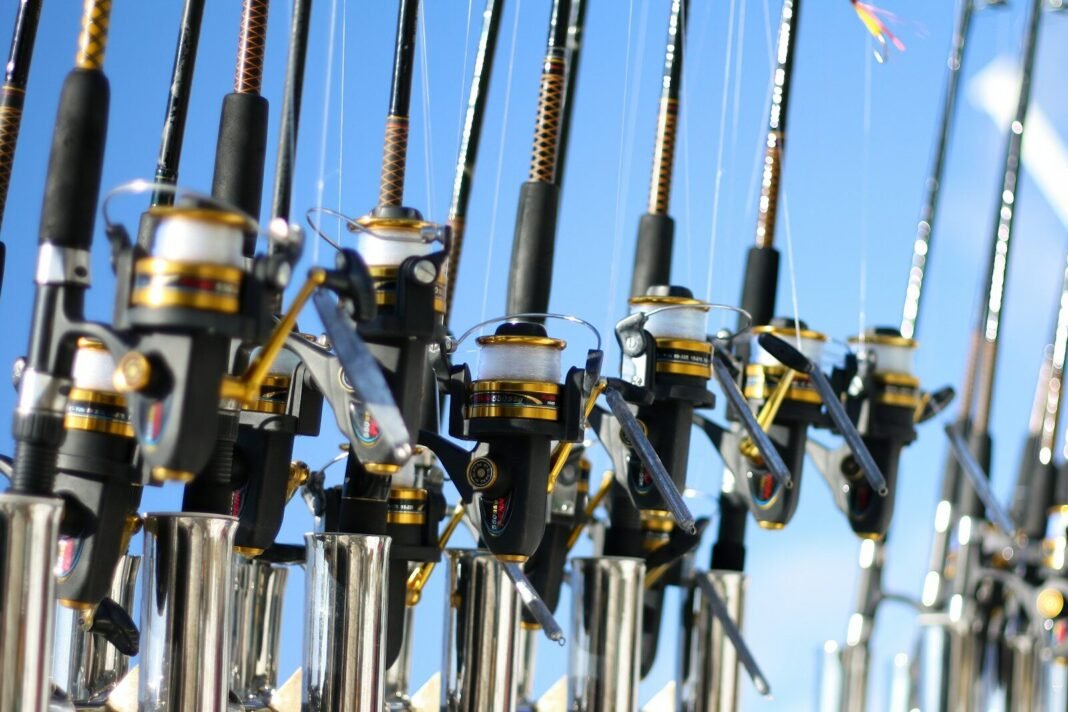
Fishing is one of the few hobbies that can feel completely different depending on where you stand. A quiet freshwater lake at sunrise carries a calm, almost meditative rhythm. Saltwater fishing, by contrast, often feels like stepping into a louder arena—stronger winds, heavier currents, bigger species, and gear that gets tested to its limits. Yet in both environments, one tool remains the true extension of an angler’s hands: the fishing rod.
For many people, the search for the “best fishing rod” starts with a simple question: What’s the strongest one? But experienced anglers know that strength is only one piece of the puzzle. The best rod isn’t just the toughest—it’s the one that matches your fishing style, target species, and environment so naturally that it feels like it was built for you.
And when you’re choosing a rod that can handle both freshwater and saltwater, the decision becomes even more interesting. You’re not only choosing performance—you’re choosing versatility, durability, and the ability to adapt from calm rivers to unforgiving surf.
Understanding the Two Worlds: Freshwater vs. Saltwater Demands
Freshwater fishing generally involves lighter gear, smaller lures, and more delicate presentations. Even when chasing powerful fish like bass, pike, or catfish, the environment is usually less harsh on equipment. The water is less corrosive, the currents are often gentler, and the fish—while strong—rarely match the brute force of many saltwater species.
Saltwater fishing is another story. Salt is a relentless enemy of metal. Wind and waves apply constant stress. Fish like redfish, snook, tarpon, striped bass, tuna, or even modest-sized jacks can put a rod under extreme pressure. If a rod isn’t built with corrosion resistance in mind, it won’t last long.
So when anglers talk about the best rods for both environments, they are really talking about rods that strike a careful balance: light enough for finesse but tough enough for battles, sensitive enough to feel subtle bites but strong enough to set hooks and control runs.
Rod Material: The Backbone of Performance
A fishing rod’s “personality” starts with its blank—the main shaft—and that blank is shaped by material.
Graphite rods are the favorite for sensitivity. They transmit vibrations extremely well, meaning you can feel light taps, subtle bottom changes, and even the movement of your lure. In freshwater, graphite is often the top choice for bass anglers, walleye fishermen, and anyone using techniques like jigging, drop-shotting, or finesse plastics.
Fiberglass rods are known for durability and flexibility. They don’t snap as easily and tend to bend deeper into the blank, making them forgiving when fighting fish. They’re also popular for crankbait fishing, trolling, and situations where you want the rod to “load up” rather than react instantly.
Composite rods blend graphite and fiberglass, offering a middle ground. For anglers who fish both freshwater and saltwater, composites often become the best all-around option. They provide enough sensitivity for freshwater work while still offering the toughness needed when saltwater fish decide to turn your day into a tug-of-war.
Rod Power and Action: Matching the Fight
Power refers to how much force it takes to bend the rod. Action refers to where the rod bends—near the tip, in the middle, or deep into the blank.
For freshwater fishing, medium-light to medium power rods dominate because they allow better lure control and a more enjoyable fight. For saltwater, anglers often move toward medium-heavy or heavy rods because saltwater species tend to be stronger and faster.
Action matters just as much.
Fast action rods bend near the tip, making them excellent for quick hook sets and precise lure control. These are ideal for techniques like worm fishing, jigging, or topwater lures where timing is critical.
Moderate action rods bend deeper, which helps keep hooks pinned and reduces the chance of pulling a lure out of a fish’s mouth. They’re fantastic for crankbaits, swimbaits, and fighting fish that make sudden runs.
For anglers switching between freshwater and saltwater, a medium-heavy fast action rod is often the “sweet spot.” It can handle bass and pike in lakes, yet still has enough backbone for inshore saltwater species like redfish, speckled trout, and snook.
Rod Length: Distance, Control, and Leverage
Rod length isn’t just about casting farther, though distance is a major factor.
Shorter rods (around 6’ to 6’6”) provide accuracy and control. They’re excellent for fishing in tight spaces like small creeks, docks, and heavy cover. They also feel lighter in hand and are easier for beginners.
Longer rods (7’ to 8’+) offer longer casts and more leverage during fights. In saltwater, longer rods are often preferred for surf fishing or when you need to keep a line above waves and rocks. In freshwater, longer rods shine when fishing open water or using techniques like flipping and pitching.
A 7-foot rod is widely considered the most versatile choice. It gives you respectable casting distance, solid hook-setting power, and enough leverage to control fish without feeling unwieldy.
Guides and Reel Seats: The Details That Decide Durability
If you want a rod that performs well in both freshwater and saltwater, you cannot ignore the hardware.
Rod guides are one of the first places corrosion shows up. In saltwater, low-quality guides can rust quickly, causing line damage and ruining casting smoothness. The best rods for dual-environment use often feature stainless steel frames with corrosion-resistant inserts like ceramic, aluminum oxide, or other high-grade materials.
Reel seats also matter. A weak reel seat can loosen over time, especially when exposed to saltwater. Quality reel seats use corrosion-resistant materials and lock down tightly without slipping.
It’s easy to overlook these components when shopping, but they often separate a rod that lasts one season from a rod that becomes your go-to tool for years.
Comfort and Grip: The Part You Actually Touch
When you fish for hours, comfort becomes performance.
Freshwater anglers often like split grips because they reduce weight and feel balanced. Saltwater anglers sometimes prefer full grips because they offer better leverage when fighting larger fish and are easier to brace against your body.
Cork grips are classic, lightweight, and comfortable. EVA foam grips are more durable, cheaper, and often better for saltwater because they don’t absorb water as easily and are easier to clean.
If you fish both environments, EVA foam is usually the smarter practical choice. It handles salt better, and you can rinse it off without worrying about it breaking down.
Technique Matters: The Best Rod Depends on How You Fish
One of the biggest mistakes anglers make is buying a rod based purely on general labels like “freshwater” or “saltwater.”
What really matters is technique.
If you throw light lures, you need sensitivity and a rod that loads easily. If you throw heavy lures or fish deep water, you need power and a blank that won’t collapse under pressure. If you fish live bait, you may want a more moderate action to prevent pulling hooks free.
A freshwater bass angler using finesse plastics needs a different rod than someone trolling for stripers. Likewise, an inshore saltwater angler casting soft plastics is using gear closer to bass fishing than offshore trolling.
The best all-around rods are often those designed for inshore fishing, because inshore rods must balance casting accuracy, sensitivity, and strength—exactly what freshwater anglers also need.
Spinning vs. Casting: Choosing Your Style
Spinning rods are often the best choice for versatility. They handle light lures better, cast more easily for beginners, and work across a wide range of techniques. They’re excellent for freshwater species like trout and bass and also for saltwater inshore fishing.
Casting rods provide more control, accuracy, and power for heavier lures and bigger fish. They shine when targeting bass in cover, flipping jigs, or battling strong fish near structure.
If you want one rod to do both freshwater and saltwater, a medium-heavy spinning rod is one of the most reliable picks. It can throw light-to-midweight lures, handle braided line well, and manage a surprising range of fish sizes.
What “Best” Really Means: Balance Over Hype
The best fishing rods are rarely the ones with the loudest marketing.
They’re the rods that feel right.
They cast smoothly without forcing you to muscle the lure. They transmit bites clearly. They don’t tire out your wrist after a long day. They don’t corrode after one salty weekend. They bend under pressure in a way that protects your line without sacrificing control.
And most importantly, they match the fish you actually catch—not the fish you dream about catching.
Many anglers buy rods designed for massive offshore fish when they mostly fish inshore. Others buy ultralight rods for fun and then try to use them where bigger fish and heavier tackle are required. The best rod is always a realistic match to your real fishing habits.
Caring for a Rod That Lives in Both Environments
If you plan to use one rod for freshwater and saltwater, maintenance becomes non-negotiable.
Saltwater residue left on guides and reel seats can shorten the rod’s life dramatically. A simple rinse with fresh water after each saltwater trip, followed by a wipe-down and proper drying, keeps corrosion away.
Store rods upright or horizontally with support so blanks don’t develop stress points. Avoid leaving rods in hot cars for long periods, as heat can weaken epoxy and damage grips.
With basic care, a good dual-use rod can last for years and become the one you reach for without thinking.
The Ideal “Do-It-All” Rod Setup
If you want one setup that can handle the widest range of freshwater and saltwater fishing, here’s the practical formula many experienced anglers lean toward:
- Length: 7’0”
- Power: Medium-heavy
- Action: Fast
- Material: Graphite or composite
- Guides: Corrosion-resistant inserts
- Grip: EVA foam for durability
- Type: Spinning for maximum versatility
This setup isn’t perfect for every scenario, but it’s one of the best starting points for anglers who refuse to be boxed into one environment.
-
One Rod, Balanced for Power and Sensitivity
Summary
A reliable rod for both freshwater and saltwater must balance strength, sensitivity, and corrosion resistance. Medium-heavy power with fast action offers versatility, while graphite or composite blanks blend feel and durability. Corrosion-resistant guides and comfortable grip design ensure consistent performance across changing environments.
